Are Energy-Saving Bulbs as Bright as Incandescent Bulbs? LED and CFL Brightness Explained
A practical guide to brightness, lumens, and why modern energy-saving bulbs can light a room just as well as traditional bulbs.
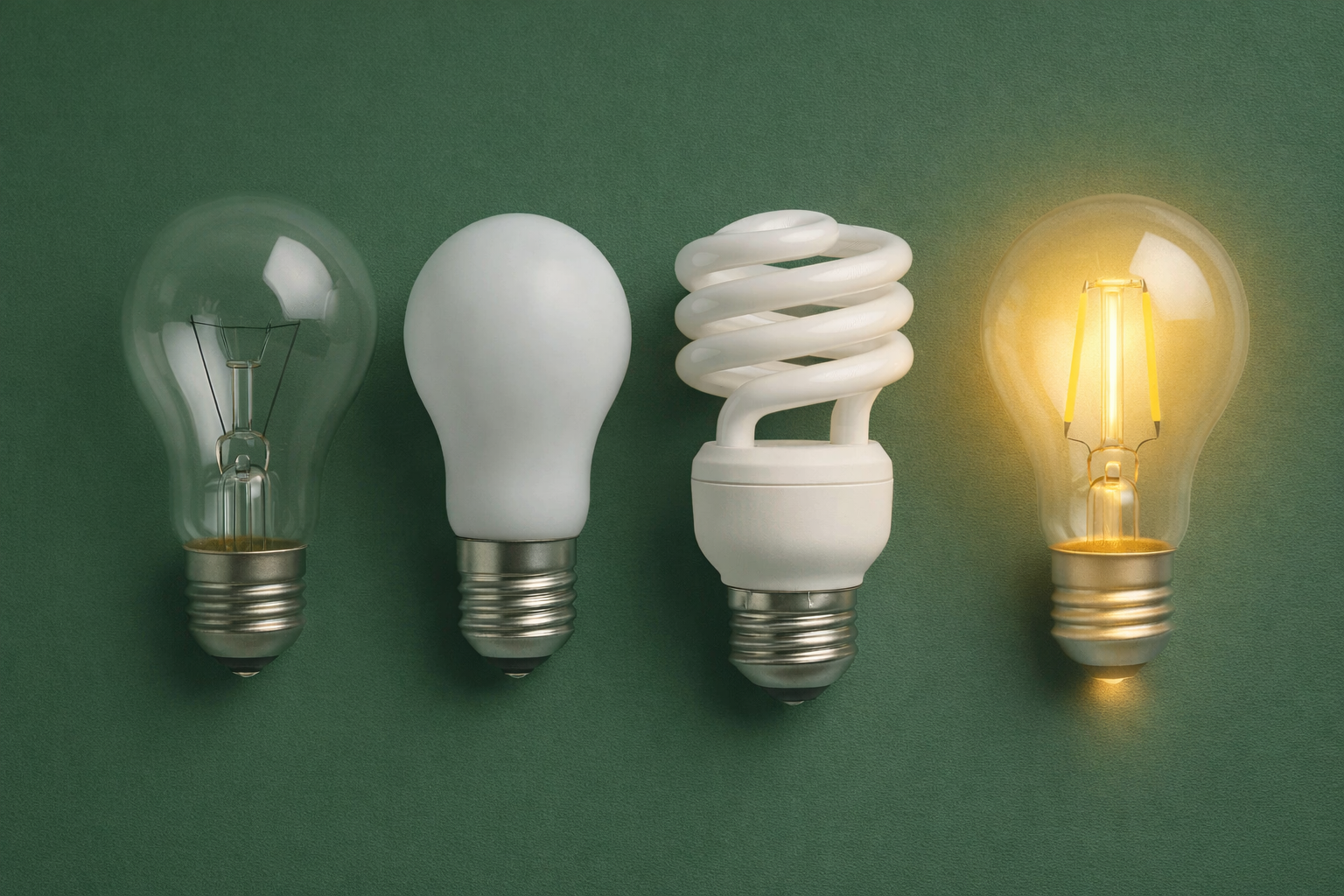
Why many people still compare bulbs the wrong way
Many people still assume that energy-saving bulbs must be dimmer than old incandescent bulbs. That idea mostly comes from how we used to shop for bulbs in the past. Back then, wattage was the quick shortcut. A 60-watt bulb meant a familiar level of brightness, while 100 watts meant something much stronger. But modern lighting does not work like that anymore. Today, the better way to compare bulbs is by looking at lumens, not watts. Lumens tell you how much visible light a bulb gives off, while watts tell you how much electricity it uses. That distinction matters because an LED or CFL can use far less energy than a traditional incandescent bulb while still producing the same practical brightness.
The short answer: yes, they can
So, are energy-saving bulbs as bright as incandescent bulbs? Yes, they absolutely can be. A well-chosen LED bulb can provide the same useful brightness as a traditional incandescent bulb while using only a fraction of the energy. In everyday terms, that means you can still have a bright kitchen, a comfortable reading lamp, or a well-lit hallway without paying as much to keep the lights on. The trick is simply choosing the correct lumen output for the room and fixture instead of focusing on the old watt number you may be used to.
Why lower wattage does not mean weaker light
This is where many people get confused. They buy an LED that uses fewer watts than their old bulb and assume it must be weaker. But lower wattage does not mean lower brightness. It just means the bulb is more efficient. That is one of the biggest advantages of modern lighting. Instead of burning extra energy to produce light and heat, LEDs are designed to turn more of that energy into useful illumination. That is why energy-saving bulbs often feel like such an upgrade once you choose the right one.
Brightness is not just about light output
It is also worth remembering that brightness is not the only thing that shapes how a bulb feels in a room. Color temperature matters too. A warm white bulb can feel softer and cozier even if it produces plenty of light, while a cooler bulb can feel sharper and brighter for task-focused spaces. If someone switches from an old incandescent bulb to an LED and says the light feels different, that is not always a brightness problem. Sometimes it is simply a color temperature difference, or even the beam spread of the bulb itself.
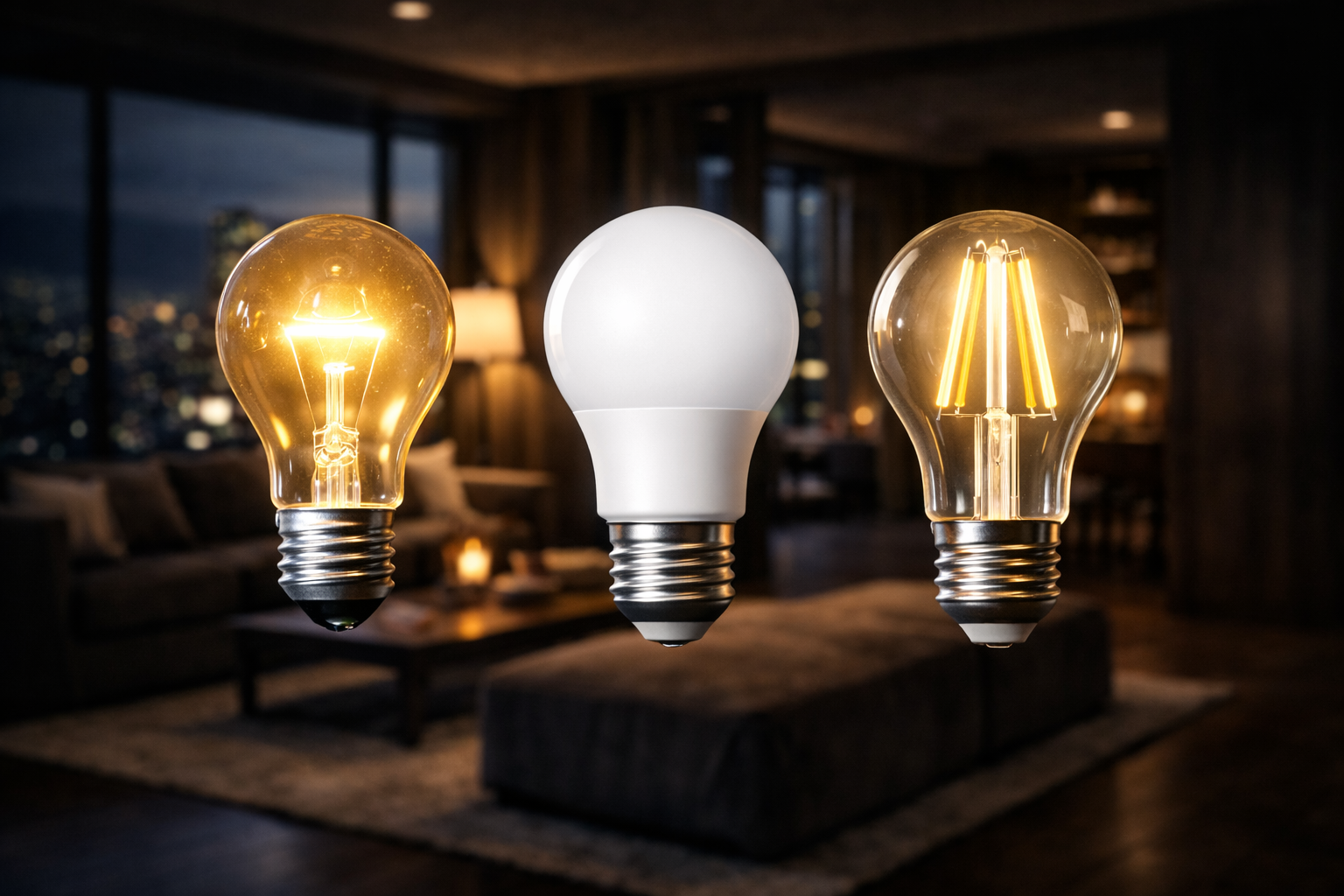
Why LEDs often feel like the better choice
Another reason LEDs have become the go-to option is consistency. A good LED turns on instantly, comes in many shapes and fittings, and works well across most areas of the home. CFL bulbs can also save energy and provide decent brightness, but many people now prefer LEDs because they are easier to live with. LEDs usually last longer, waste less energy, and offer more choices when it comes to dimmable options, color tone, and overall design.
How to compare bulbs the right way
The real takeaway is simple: energy-saving bulbs can be every bit as bright as incandescent bulbs, but you need to compare them the right way. If you shop by watts alone, you will probably end up with the wrong result. If you shop by lumens, fitting, bulb shape, and room purpose, you will make a much better choice. That is exactly why using a Bulbfinder is helpful. Instead of guessing or relying on outdated habits, you can match the bulb to your actual needs and avoid buying something that feels too dim, too harsh, or simply wrong for the space.
In other words, modern energy-saving bulbs do not force you to compromise on brightness. In most cases, they simply give you the same useful light in a smarter, more efficient way. Once you start thinking in lumens instead of watts, the whole process gets easier.